
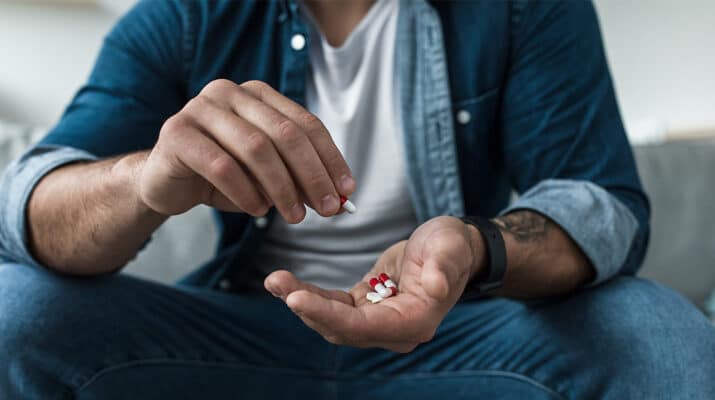
In an online post, the National Institute on Drug Abuse discusses what it means to be addicted to drugs
Drugs are chemical substances that can change how your body and mind work. They include prescription medicines, over-the-counter medicines, alcohol, tobacco, and illegal drugs.
What is drug use?
Drug use or misuse, includes:
• Using illegal substances, such as anabolic steroids, club drugs, cocaine, heroin, inhalants, marijuana, methamphetamines.
• Misusing prescription medicines, including opioids. This means taking the medicines in a different way than your health care provider prescribed. This includes taking a medicine that was prescribed for someone else; taking a larger dose than you are supposed to; using the medicine in a different way than you are supposed to. For example, instead of swallowing your tablets, you might crush and then snort or inject them; using the medicine for another purpose, such as getting high.
• Misusing over-the-counter medicines, including using them for another purpose or in a different way than you are supposed to.
What is drug addiction?
Drug addiction is a chronic brain disease. It causes a person to take drugs repeatedly, despite the harm they cause. Repeated drug use can change the brain and lead to addiction.
The brain changes from addiction can be lasting, so drug addiction is considered a “relapsing” disease. This means that people in recovery are at risk for taking drugs again, even after years of not taking them.
Does everyone who takes drugs become addicted?
Not everyone who uses drugs becomes addicted. Everyone’s bodies and brains are different, so their reactions to drugs can also be different. Some people may become addicted quickly, or it may happen over time. Other people never become addicted. Whether or not someone becomes addicted depends on many factors. They include genetic, environmental, and developmental factors.
Who is at risk for drug addiction?
Various risk factors can make you more likely to become addicted to drugs, including:
• Your biology. People can react to drugs differently. Some people like the feeling the first time they try a drug and want more. Others hate how it feels and never try it again.
• Mental health problems. People who have untreated mental health problems, such as depression, anxiety, or attention deficit-hyperactivity disorder (ADHD) are more likely to become addicted. This can happen because drug use and mental health problems affect the same parts of the brain. Also, people with these problems may use drugs to try to feel better.
• Trouble at home. If your home is an unhappy place or was when you were growing up, you might be more likely to have a drug problem.
• Trouble in school, at work or with making friends. You might use drugs to get your mind off these problems.
• Hanging around other people who use drugs. They might encourage you to try drugs.
• Starting drug use when you’re young. When kids use drugs, it affects how their bodies and brains finish growing. This increases your chances of becoming addicted when you’re an adult.
What are the signs that someone has a drug problem?
Signs that someone has a drug problem include: changing friends a lot; spending a lot of time alone; losing interest in favorite things; not taking care of themselves — for example, not taking showers, changing clothes or brushing their teeth; being very energetic, talking fast or saying things that don’t make sense; quickly changing between feeling bad and feeling good; having different eating or sleeping habits; missing important appointments; having problems at work or at school; having problems in personal or family relationships.