
Why it’s such a big deal
By Barbara Pierce
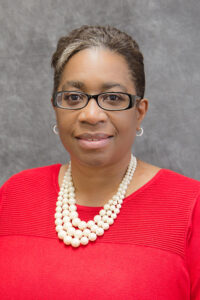
Half of Americans have high blood pressure and many don’t know it, according to physician Cynthia Jones, president of the board of directors of the American Heart Association, Mohawk Valley and chief medical officer of Mosaic Health.
“And 33.8% of Mohawk Valley residents have been diagnosed with high blood pressure,” she added.
For many of these folks, their high blood pressure is not under control.
Does it matter?
Yes, controlling your blood pressure matters a great deal. It’s a huge risk for very serious health problems that you don’t want to deal with; the consequences of not controlling it are severe.
“High blood pressure can lead to heart attack or heart failure, stroke, vision loss, sexual dysfunction, kidney disease or failure or atherosclerosis,” Jones said. “High blood pressure is called ‘the silent killer’ because it often has no symptoms.”
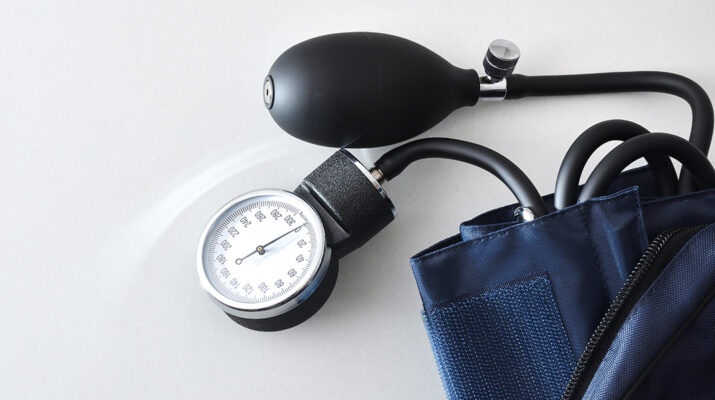
A blood pressure monitor is an easy, non invasive solution. It works by measuring your systolic and diastolic blood pressure, along with your pulse, using an arm cuff. It’s simple to use at home and provides accurate readings.
Who should monitor high blood pressure at home?
Anyone who has been diagnosed with high blood pressure by their health care provider and the provider recommends home testing should regularly be checking their blood pressure,, Jones said. Also, anyone with a family history of high blood pressure, heart disease or stroke; older women, especially women older than 65; Black, Hispanic and Asian adults who are at higher risk of blood pressure; those with chronic kidney disease or diabetes; and anyone who has concerns.
Roughly half of us should be taking our blood pressure routinely at home, according to the American Heart Association and many experts. Those whose blood pressure is creeping up into the range of 130/80, which is considered high, should make sure they’re monitoring themselves at home.
Why monitor high blood pressure at home?
For many of us, home readings can be more accurate than office readings as our blood pressure is elevated in a clinical setting like our doctor’s office, as the setting triggers stress and anxiety.
Home monitoring is especially useful for people starting new high blood pressure medication or when doses are being adjusted. It helps determine if medication is effectively controlling blood pressure and helps health care provider make better decisions about medications, make sure that you’re on the right medications, at the appropriate doses or, on the flip side, that you’re not taking medications unnecessarily. And it can help detect high blood pressure earlier, especially for individuals with risk factors like diabetes or kidney problems.
Home monitoring is a tool to supplement, not replace, regular professional medical advice, according to the American Heart Association. The frequency and method of home blood pressure monitoring should be determined in consultation with your healthcare provider.
How to do it right:
“Please use a validated self-monitoring blood pressure device.” Jones said.
A list is available at www.validatebp.org. You can also ask your doctor or pharmacist. Make sure the cuff size is right for you.
The steps she recommends: 30 minutes before you take your blood pressure, no smoking, no exercise, no caffeine, no alcohol.
Five minutes before: rest for at least five minutes; sit calmly and don’t talk while you prepare. Rest your arm on a flat surface at heart level. Sit upright, back straight and supported, legs uncrossed and flat on the floor.
Place the bottom of the cuff above the bend of your elbow. Wrap it against your bare skin, not over clothing. Record your results, including the third measure, your heart rate, with the date and time.
Blood pressure more than 180/120 is a crisis. If it’s that high, wait a few minutes and take your blood pressure again. If it is still high, and you have no other signs or symptoms, contact your health care provider immediately. If you are experiencing chest pain, shortness of breath, back pain, numbness or weakness, change in vision or difficulty speaking, call 911.
As most insurances don’t cover the cost of a monitor, the American Heart Association has placed blood pressure kiosks in several locations in the community, including at The Center, Mohawk Valley Latino Association and 50 Forward. These are free to use and education is provided nearby. Mohawk Valley libraries also have self-monitoring blood pressure cuffs that people can borrow.