
By Barbara Pierce

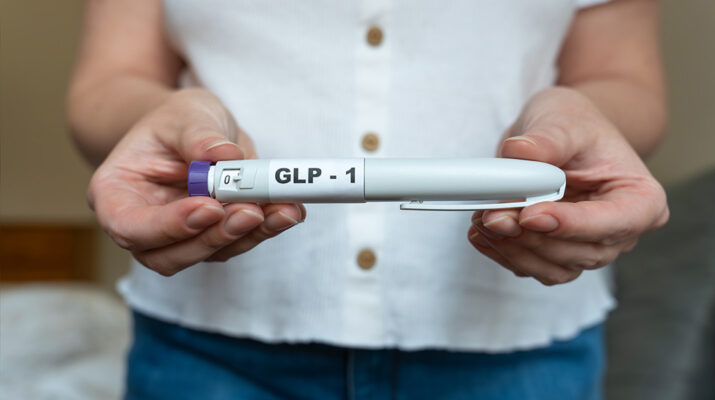
Weight loss medications have become a cultural phenomenon — a secret weapon for rapid weight loss. The pressure to achieve a perfect body can be overwhelming. A “magic pen” or just recently a pill, that melts away pounds rapidly is considered by many to be the answer. The hype is everywhere.
Some of the best known are Ozempic, Mounjaro and Wegovy.
Most of these medications began as prescription medications specifically designed for adults with Type 2 diabetes and developed into a huge trend for rapid weight loss. The active ingredient in these medications mimic a natural hormone that regulates blood sugar and insulin. This hormone slows digestion and significantly reduces appetite.
This hormone, semaglutide, can significantly diminish feelings of hunger, making it easier to adhere to a calorie-controlled diet. Users tend to feel fuller after meals, which can lead to reduced overall calorie intake. For those with Type 2 diabetes, semaglutide can aid in stabilizing blood sugar levels, thereby also contributing to weight management.
Like all medications, these carry risks. They are generally designed for long-term use, not for short-term dieting. We wanted to learn more about them and asked Apurva Shah, an internal medicine physician from the Slocum-Dickson Medical Group, for answers.
Q: What are the potential risks of weight loss medications?
A: With both of the mainstream weight loss injection options, the most common side effects are gastrointestinal events such as nausea, diarrhea, vomiting, constipation and abdominal pain. The symptoms are mild for the most part but escalate with increase in dosing. The symptoms also do diminish over time. Also, what is called ‘Ozempic Face’ has been noted in many users: the sagging, wrinkled or hollowed appearance of the face due to rapid weight loss.
Q: Are there serious risks?
A: Yes, there are serious risks to monitor for and that is why it’s important to work with your doctor when you are taking these medications. Such as pancreatitis, gallbladder disease, acute kidney injury, thyroid C-cell tumor, diabetic retinopathy due to rapid glycemic improvement.
Q: There is another serious side effect that has been reported: that of emotional flattening, accompanied by not only loss of appetite, but also loss of interest in activities and bonding with one’s partner. Relationships change; spouses report that their partner taking the weight loss medication has become totally different. Is there any evidence that this is so?
A: Though there have been some psychological randomized trials that have not confirmed this, there are anecdotal reports of emotional flattening and reduced interest in activities being mentioned. Controlled clinical trial data have not confirmed these complaints. However, I always monitor a patient’s mental health when on these medications.
Q: Is there any reason for concern that so many are eagerly embracing this easy way to lose weight?
A: This is a yes or no type of question. It’s good to see people wanting to improve their health and having such a great option on the market today. Also, a concern is that not everyone is emphasizing the diet and exercise part. Relying on medication to fix all one’s problems is not the solution without changing the bad habits that have formed over the years. This is the hardest part of weight loss.
Also, I have to acknowledge that most people gain weight back after stopping. This is because they don’t implement the foundation of lifestyle and behavioral changes that are needed for long-term weight loss. It is important to exercise while on the injections to reduce the loss of lean muscle mass as well.
Data shows that more than half of those who start taking medication for weight loss stop within a year, often due to side effects, costs or simply achieving their desired weight. When it is stopped, this can lead to increased hunger, which can lead to overeating. The feeling of fullness after meals may decrease, making it challenging to control portions. Therefore, people often regain a substantial amount of weight after stopping semaglutide.
Q: What options should one consider before using a weight loss drug?
A: Diet and exercise — the basics should be tried and seriously attempted prior to any medical weight loss. Most of the time with diet control and increasing their daily activity individuals can lose weight. It may not be rapid but will have more long-term success. However, after doing things correctly, the injections or oral medication play a role.
Before considering weight loss medication, explore focusing on a diet rich in whole foods, lean proteins, healthy fats and plenty of fruits and vegetables. Incorporate exercise into your routine to boost metabolism and promote fat loss. Drink plenty of water to reduce cravings. Get adequate sleep, as poor sleep can disrupt hormones that regulate hunger and metabolism. Practice stress-reducing techniques to keep cortisol levels in check.