
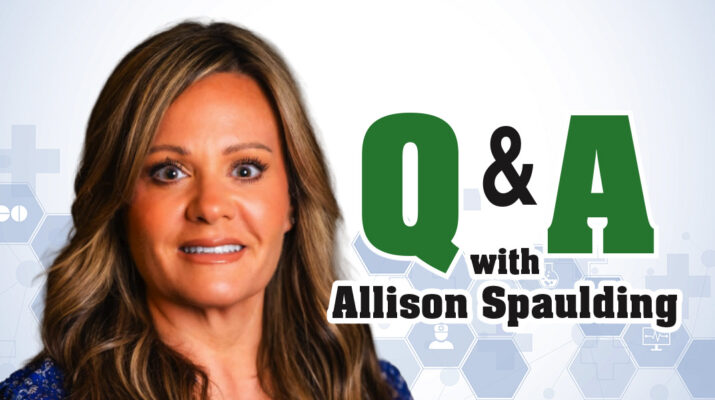
VP of foster care at the House of the Good Shepherd discusses how her program helps kids and families. She explains that foster homes and families are ‘desperately’ needed in the region
By David L. Podos
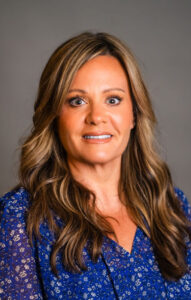 Q: How long have you been the vice president of foster care and evidence-based practices?
A: It will be four years this May.
Q: What about prior employment before coming to the House of the Good Shepherd?
A: Sure, well first off I am a licensed clinical social worker. So, I have done different work primarily in the Syracuse area. Most of my career was with Elmcrest Children’s Center. I started as a clinician, then became a director of a clinical program and when I left I was the director of residential operations.
Q: I think that many people may have a somewhat distorted view or misconception about foster care and what happens in that child’s environment that creates a set of circumstances where foster care is being looked into. Can you talk about that?
A: Of course. So, the House of the Good Shepherd provides the opportunity for kids who are in a home situation, where they are living with a family and or family members and the Department of Child and Family Services of Oneida County, (Child Protective Services) has deemed that the living situation is either abusive or neglectful and that poses an imminent risk to children. Therefore, there is support for removal of children and or a child out of the home, into a safe home which is called foster care.
Q: Is it the goal of the foster care program to eventually return the child to their original home with their biological parents?
A: Yes, we always strive to make that happen. The removal of children from their home is taken very seriously by all parties. However, safety for the children is the highest priority. So, these kids are in need of a safe, caring and supportive home, for a temporary period of time, which is always the goal, short-term stay, within foster care.
Q: How do you make sure that the home environment is now appropriate and safe for the child before they are returned?
A: That is very important. We support the services and the needs of that family to get them to a place where they can receive the return of their children to the home. The role of the court and the judge is to order a court order and in that order, it defines what this parent and or parents need to do to have their kids returned.
Q: Can you give specific examples of what the courts or Child Protective Services are looking for?
A: Sure. The most prevalent reasons why kids come into care and are removed from their homes comes from drug use, domestic violence, abuse or neglect. All of this is monitored by a case manager from the county, who works closely with our House of the Good Shepherd case planner.
Q: What does the House of the Good Shepherd case planners do?
A: Their job is three-pronged. They are responsible to support and review and access the foster home which that child is now placed. They work to support any needs that the child might have, for example, making sure they attend school, going to medical appointments, does the child play in sports and if so, how can that connection still be made while living in a foster home. Finally, the case planners work to support the birth parents and offer supportive services within the community, such as mental health treatment, drug treatment and domestic violence support, to name just a few.
Q: I know the goal is to return the child to their biological parents. However, is there ever a time when, for whatever reasons, that a foster care parent can legally adopt the child or the child can be placed with a family member other than their biological parents?
A: Yes. There are different permanency options. One option for example. If it is ascertained that the home environment is still not conducive to a safe and healthy place for the child, that child could be taken care of by their grandparents and or an aunt or uncle, as well as someone who the child knows, like a teacher. We call this, kinship foster care. The child could eventually end up being adopted by the kinship foster care person and or couple.
Q: How many people in this community actually come to your program seeking to become a foster care parent.
A: The best way for me to answer that is simply by saying, if I had a special message, it would be this — we desperately need foster homes.
To find out more about HOTGS foster care program, visit www.hgs-utica.com/foster-care
About Foster Care Month
National Foster Care Month is observed throughout May each year in the United States, shining a light on the experiences of children and young people in the foster care system. Established by a presidential proclamation from Ronald Reagan in 1988, the month honors foster parents, families, volunteers, and child welfare professionals who work to provide safe, stable, and loving homes for children who cannot remain with their birth families. With over 360,000 children in foster care across the United States at any given time, the month serves as a call to action for communities to get involved.