
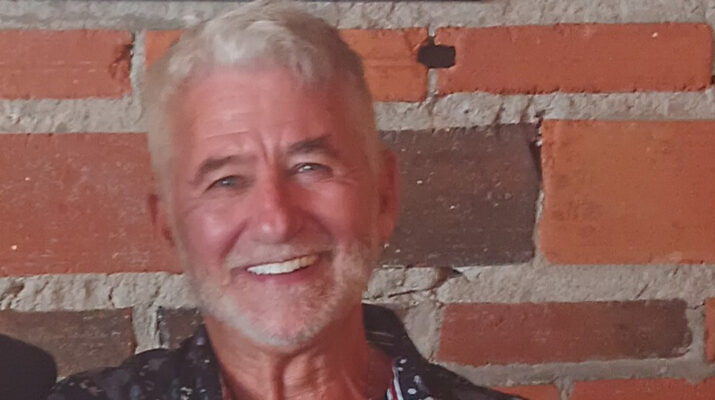
‘I am now six months post-surgery and thankfully cancer free’
By David L. Podos

In the August issue of “In Good Health” I wrote an article on robotic surgery and discussed my own surgery I had in April to remove a cancerous tumor.
I am now six months post-surgery and thankfully cancer free.
That said, my recovery involved a number of interventions and interactions with many people that contributed to my healing.
During the first several weeks of post-surgery recovery I was very apprehensive of every little pain my body was experiencing. I wonder if is this pain because my cancer has returned or is it just the natural healing process that I have to go through? It turned out that I just had to give my body time to heal.
The day after my surgery, the surgeon who performed the operation actually called to see how I was doing. How incredible is that? In a time when most patients feel rushed by their doctors, and in many cases often ignored, having well over a five-minute conversation with my surgeon was refreshing. He assured me that the pain I was feeling was natural. He reinforced that the surgery went very well and that he was pleased with the outcome. He emphasized to rest, follow instructions given by him and the rest of the medical team and in time I would be just fine.
Of course, family is so important and my wife along with family members played a pivotal role in my recovery. Friends that stopped by to see how I was doing or sent get well cards were also very significant in contributing to my overall recovery.
As a man of faith, I found great comfort in prayer. Many people also told me that they were praying for me. Family and friends who belonged to various churches and synagogues also brought their petitions forward to their congregations for healing prayers. All of this helped me both physically as well as mentally as the days, weeks and months moved farther away from that April surgery, as I became stronger and healed.
Today I continue to see my oncologist for post-surgery follow up.
Every three months I have blood drawn for a very specific blood test called MRD (minimal residual disease). This test scans for any lingering cancer cells that might still be in my body. Along with seeing my oncologist, I see my primary care physician every three to four months for a physical and to discuss any questions that I might have.
I am very conscious of my diet eating healthy foods that are preferably organic. I have also returned to my normal routine of physical workouts which I feel are not only good for my body but my mental health as well. And finally, each day I spend time in prayer and meditation with a grateful heart for having another day of life.
Dos and Don’ts
Recovering from surgery is just as important as the surgery itself. Patients who take the time to follow their doctors’ post-surgical instructions as well as adhering to a healthy lifestyle contributes to the overall healing process.
In an article written by Kara Mayer Robinson and medically reviewed by physician Melinda Ratini on the “Dos and Don’ts” after surgery, physician Jonathan Whiteson mentions a number of very important steps to take for a successful post-surgery recovery.
“Don’t do too much too soon; you might feel that you can do everything but stick to what restrictions your doctor has recommended. As soon as you’re cleared to move around, do it,” Whiteson said. “People are often worried or scared about it. But one of the most important things after an operation is to get mobile. Lying in bed can trigger a host of problems — blood clots, pressure ulcers, pulmonary embolisms and weakening of your muscles. Make sure you eat and drink. Food gives your muscles energy and fluids keep you hydrated. When you don’t get enough, your recovery can stall. You may shrug off pain medication because you heard it’s addictive or it makes you constipated, nauseous or woozy. But skimping on your medicine isn’t smart.”
“Pain can sometimes interfere with your sleep, appetite and ability to get around,” Whiteson added. “That can make it harder for your body to heal. Ultimately, the goal is to get off medication, but not before you’re ready.”