
By Barbara Pierce

Unless you’re growing your own food, you’re eating processed foods. More importantly, you’re eating a lot of ultra-processed foods (UPFs). According to reports, UPFs make up 60% of our daily food intake, even higher for children.
Things like sodas, packaged snacks (chips, cookies), reconstituted meats (hot dogs, bacon), mass-produced breads, frozen pizzas and instant soups. We eat a lot of these foods because they taste really good and they’re super convenient.
Remember “Betcha can’t eat just one!” advertising for potato chips? They were right, you can’t eat just one.
UPFs have been linked to a variety of health problems, including obesity, diabetes, cardiovascular disease and cancer. Some target them as a leading public health problem. As with so many things, is this overreacting? What exactly are ultra-processed foods — and why is everyone freaking out about them?
We asked registered dietician Crystal Hein, owner and operator of Crystal Clear Nutrition in Herkimer, what ultra-processed means, what we can calm down about and how to eat a healthy diet in a world filled with these foods.
Q: What are ultra-processed foods?
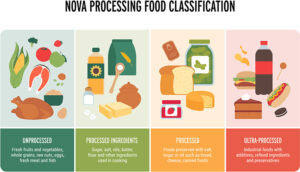
A: Ultra-processed foods are foods that have been changed from their natural form. UPFs include ingredients or additives that are not used in home cooking: high-fructose corn syrup, modified oils, emulsifiers, flavor enhancers, artificial colors, preservatives and sweeteners.
If the food contains at least one ingredient you wouldn’t find in your kitchen — such as high-fructose corn syrup, hydrogenated oils, emulsifiers or maltodextrin — it is likely an UPF. You can generally identify an item as a UPF by scanning its ingredient list. These ingredients you wouldn’t have in your kitchen will override your body’s natural fullness signals and stimulate your brain’s reward centers.
According to the National library of medicine.gov, online (an official federal government website) research has demonstrated that repeated intake of UPFs triggers addiction-like biological withdrawal. UPFs are actually addictive because they are scientifically engineered to deliver unnatural, concentrated doses of fat, sugar and salt that rapidly spike the brain’s dopamine levels. This hyper-stimulating combination overrides your body’s natural hunger and fullness cues, resulting in cravings that mirror a substance use disorder.
Q: What are some examples of UPFs?
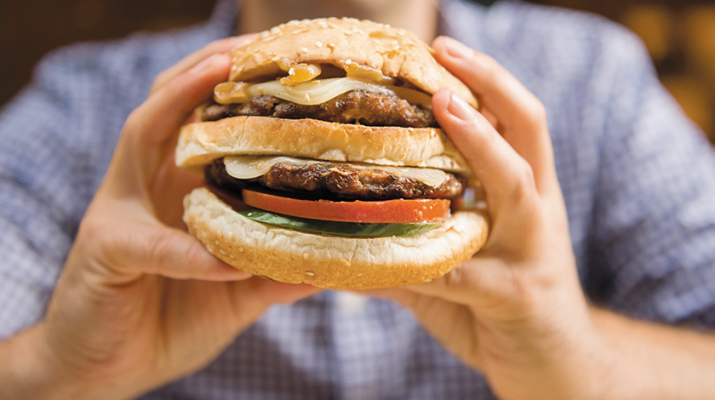
A: Examples of UPFs include soda, candy, packaged pastries, cake mixes, chips, fast food burgers, hot dogs, sausages, frozen pizza, fish sticks, chicken nuggets, sweetened breakfast cereals, instant noodles, packaged desserts, energy drinks and many convenience meals. Usually, UPFs are high in saturated fat, sugar, sodium and calories while being lower in fiber, vitamins, minerals and protein.
It’s not only about what’s added to these foods; it’s also about what’s missing — naturally occurring ingredients with potential health benefits.
Q: Are all UPFs bad for us?
A: Not every ultra-processed food is automatically considered bad. Whole grain breads, yogurt, nut butters, frozen fruits and vegetables, canned beans, pasteurized milk, canned fish, fortified cereals and instant oatmeal are considered ultra processed, but can all be nutritious choices and provide valuable nutrients. These foods fit into a healthy diet. Processing in and of itself is not always harmful.
Q: What tips can you give us to deal with the appeal of UPFs?
A: Rather than focusing on perfection or completely eliminating all processed foods, I encourage balance and moderation, based on what you can feasibly implement.
A practical goal is to build your meals mostly around whole or minimally processed foods (fruits, vegetables, eggs, milk, fish and fresh meat) while limiting foods that are high in added sugar, sodium and unhealthy fats. Cooking more meals at home using simple ingredients can naturally reduce ultra-processed food intake. For example, making Spanish rice with rice, tomatoes, spices, broth and vegetables may provide more nutrients and less sodium than using a boxed version, even though some ingredients, such as tomato paste or broth, are still technically processed.”
Here are some ways to decrease your UPF intake she suggested:
• Read ingredient labels and choose foods with simpler ingredient lists. Food manufacturers frequently add sugar to foods like marinara sauce, canned soup and even bread to boost the flavor. If added sugar is one of the first five ingredients, return the product to the shelf.
• Keep healthy food and ingredients at home; prepare meals and snacks ahead of time.
• Drink more water instead of sugary beverages. Sugary beverages, including soda, energy drinks and coffee drinks, contain a lot of added sugar. So do smoothies, juice drinks and fruit juices.
• Choose whole grains more often than refined white bread or pasta; Eat more fruits, vegetables, beans, lean proteins, nuts and seeds.
• Make your own homemade versions of foods like pasta alfredo, Spanish rice, salad dressings, granola bars or homemade French fries.