
By Barbara Pierce

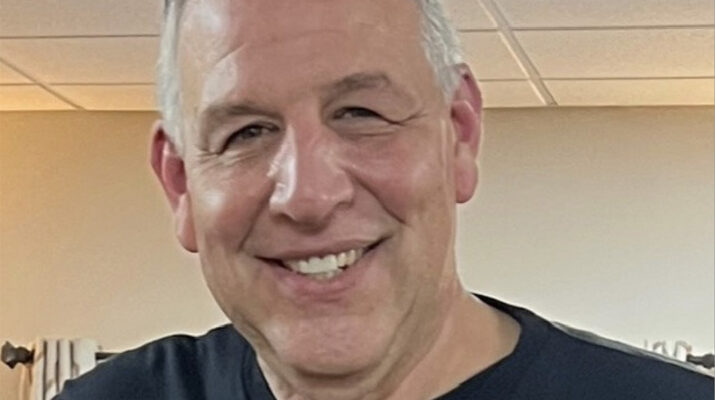
Ron Annese, 63, of Rome is program director for two halfway houses in Utica, operated by Catholic Charities.
Both are 16-bed homes, one for men, one for women, certified by the Office of Addiction Services and Supports to provide a sober living environment and recovery support services.
Located in residential neighborhoods, the homes provide transitional living for people who are returning to the community from inpatient substance treatment facilities.
The goal of the homes is to provide a homelike, sober environment with access to substance abuse treatment services. The program also links residents with the educational, vocation, social and self-help services needed to assist their recovery.
We wanted to learn more about this challenging career.
Q: As program director for two halfway houses, what is your typical day like?
A: There is no typical day! But generally, I start with paperwork for the state agency that funds us. I do a lot of administrative paperwork, like incident reports, treatment plans for residents and budgeting. Unfortunately, that’s the most time-consuming part of my job.
Then I visit one or both houses. We have one for men, one for women. Residents can stay for up to six months. After their stay, some get a job and get their own place. Others go to supported housing, which is another step towards independent living. They might stay there for one to two years.
At the homes, I lead groups. I do one to two groups a week in each house; the staff lead three to four each week. There is room for 16 residents in each house. We average about 12 at a time. They come and go quickly. One of my responsibilities is to evaluate applicants for admission. If they’ve completed an inpatient stay and don’t have major issues, we accept them.
Q: What kind of support do you offer residents?
A: Our main goal is for them to have a successful discharge and many do. We get them situated with health care providers, involved in 12-step meetings and working towards vocational goals by getting their GED or whatever their next step is. A lot of our residents have never ever had a job. Many don’t understand the word no. They don’t know how to communicate or get along with others. Most have mental health issues. We try to work with them. Our job is to motivative them.
Each resident has an individualized treatment plan, which is a detailed roadmap with specific goals, based on their resident’s needs and the steps needed to achieve them. Residents participate in creating their plan. We help many residents participate in drug court, an alternative to incarceration. They must be involved in treatment outside the house. Residents are inundated with group for seven to eight hours a week, then spend three to four hours a week in 12-step programs. It’s a challenge to recover from substance abuse.
Drug courts are an innovative solution to substance abuse within the criminal court system, designed for people with substance use disorders. The program requires them to take on responsibilities and work towards lifestyle changes. Their progress is monitored by the courts. Results from this program have been very positive.
Q: What are some of the challenges you face in your position?
A: The biggest challenge is to accept where the residents are at and keep plugging away, even though they may be fighting it. The second biggest challenge is staff. I’m constantly looking for people to work in the homes. Pay is low, turnover is high. A full staff would be nine people for each house. They cover 24 hours and provide some transportation to residents. Staff need to have people skills, technical skills, and writing skills. I know that my position is challenging, but it’s just as rewarding.
Q: What are the rewards?
A: There are quite a few success stories. I’m rewarded when a resident gets his two-year coin, goes to work and stays clean or comes back and thanks me.
(A sobriety coin is a token given to 12-step program members representing the amount of time the member has stayed sober.)
Q: What training did you have for this position?
A: I’ve been working for Catholic Charities for five years. Seven years ago, I was a resident in the men’s home. Then I become a residential counselor and then a senior counselor, then program director. I became a certified alcohol counselor. I completed a two-year program in one year at Mohawk Valley Community College.
Q: Anything else you’d like us to know?
A: This position takes a lot to deal with. You’ve got to take care of yourself.
Another thing worth noting, residents are admitted to the homes voluntarily. No one is denied because they are unable to pay.