
by Barbara Pierce

Fifty percent of people older than 65 reported having a lack of energy, according to the Cleveland Clinic.
As we age, our cells become less efficient. That means they need to burn more energy than they used to do for the same amount of work.
Aging changes our body’s cells. For most of us, the energy that we took for granted when we were young fades away.
Harvard Medical School online says that, as well as fading from age-related changes, lack of energy can be caused by chronic illness, a side effect of medication, maybe not eating enough of the right things and poor sleep. Also, chronic stress and social isolation can have consequences that can sap our energy.
Can we boost our energy back up?
How can we make the most of the energy we have?
Researchers who study this say there are very doable things that can help turn back the clock on your cells to restore your energy level and maintain it well into your later years.
1. Keep moving: Perhaps the fastest, most important way to boost your energy is to move more, say experts at Harvard and elsewhere.
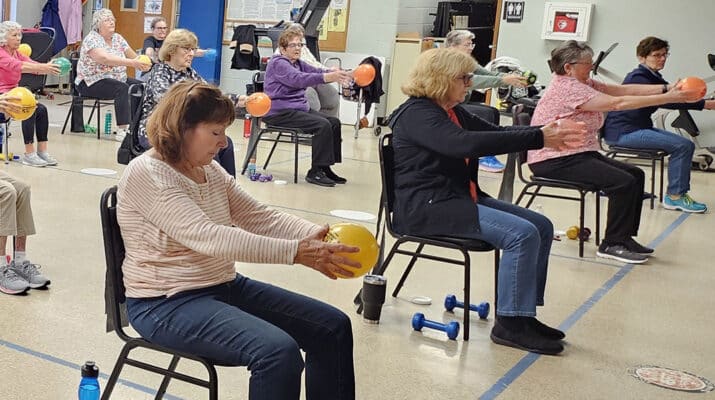
“Keeping physically active helps to maintain our strength, balance and independence,” said Susan Streeter, CEO at Copper City Community Center, Rome. Previously known as the Ava Dorfman Senior Center, the nonprofit organization offers senior exercise and wellness activities as well as opportunities for connecting with others socially.
“The leading cause of death of seniors is falls often caused by poor balance,” Streeter said. “CCCC offers evidence-based classes to improve and maintain balance.”
The many physical activities offered by CCCC include chair pilates, dance classes, yoga, basic fitness, clogging and pickleball.
The saying “use it or lose it” applies to energy.
“There are big differences in energy metabolism between people who have a sedentary lifestyle versus those who maintain physical activity,” said one expert. When older adults maintain recommended levels of physical activity, there are fewer age-related deficits in energy,” according to Streeter.
The Physical Activity Guidelines for Americans recommend that you aim to exercise at least 150 minutes every week at a moderate pace or 75 at a more vigorous pace. The guidelines also recommend that older adults do muscle-strengthening activities at least two days a week.
Make this easier and more fun by opting for activities that you enjoy and can do on a regular basis, like those at CCCC.
And remember to move as much as possible as you go through the day. For example, use the stairs instead of taking the elevator. Or park far away from the store entrance instead of in the closest spot. Walking is a great source of energy that boosts your circulation and keeps your muscles active.
2. Get enough sleep: Lack of sleep is one of the most common causes of lack of energy. We need seven to nine hours of sleep each night.
Neurologist Antonio Culebras of Upstate Medical University offered these tips for good sleep: “Have a consistent bedtime and an awakening time. If you are in the habit of taking naps, try not to exceed 45 minutes. Avoid excessive alcohol ingestion four hours before bedtime and do not smoke. Avoid caffeine six hours before bedtime. Avoid heavy, spicy or sugary foods four hours before bedtime. Exercise regularly, but not right before bed. Find a comfortable temperature setting and keep the room well ventilated. Block out all distracting noise and eliminate as much light as possible.”
3. Eat a good diet. If you’re eating too much processed or sugary foods or simply not eating enough protein, that could lower your energy. Eating too much actually steals your energy.
4. Stay hydrated: Dehydration is one of the main reasons our energy levels bottom out. Most of us don’t get enough hydration. Older adults are more susceptible to dehydration than younger people, largely due to a change in body composition.
We need about six to eight glasses of water or other liquid daily; even mild dehydration can cause a loss of energy.
Experts say that pretty much any kind of beverage (except alcohol) counts toward your daily intake, so if you’re not a huge fan of plain water, mix it up with flavored water, juice, tea or even broth from soup.
They do warn us to back away from energy drinks, as they may give us a temporary boost, but are stimulants and can set us up for a crash later. Coffee is a better choice but be aware that caffeine after noon can interfere with sleep.
5. Prioritize: To use your energy wisely, think about what you need to accomplish in a day versus what you want to accomplish and make the necessary activity your priority.