
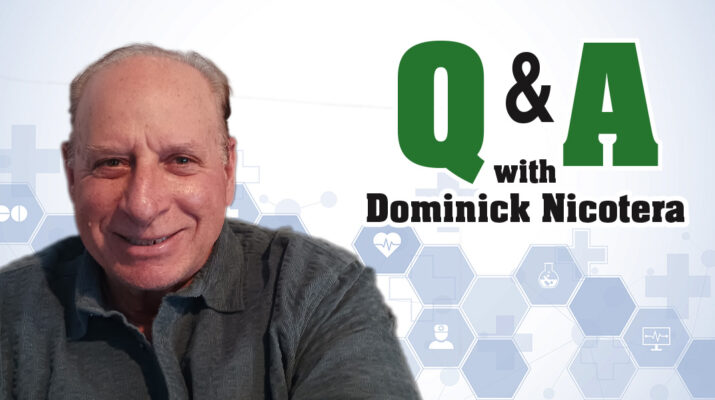
Counselor at DRN Counseling and Consulting LCSW PLLC discusses cognitive behavioral therapy and the hurdle that people with mental health challenges face
By David L. Podos
 Q: What is your professional background?
A: I have been a behavioral health practitioner since 1983.
Q: I had the opportunity of interviewing you a number of years ago. At that time COVID was pretty prevalent. I remember you saying that many of the patients you were seeing because of their reluctance to get the COVID vaccine, were shunned by their families which caused an enormous amount of stress for them, creating depression and anxiety in their lives as well as suicidal ideation. Now that the pandemic is over, are you still seeing patients with high levels of anxiety and depression?
A: I have seen an increase I would safely say, of the people I work with, having high anxiety, depressed mood, relationship problems and overall stress related to what is going on in the world today.
Q: What kind of therapy do you use to help your patients in getting their lives back on track?
A: My expertise is in psychotherapy counseling. I come from a strong treatment model using CBT, [cognitive behavioral therapy] to help my patients.
Q: Can you explain what CBT is and how it works?
A: Yes. First you identify the problem area as far as how people think. In other words, say a depressed person or a person with anxiety, has a “doomsday” kind of processing in their mind. Sometimes the patient is not even aware that they have this kind of destructive thinking. So, these patients are always thinking of the worse outcome.
Q: So, I guess what you are saying is, their thinking is not reality-based. For example, they say I am going to die tomorrow and they are obsessed with that thought, however, in reality the probability of them actually dying is extremely unlikely. Am I correct?
A: What you are saying is partially true. However, the person truly believes their own thinking. They get sort of “stuck” in this gloom and doom mode. Whereas maybe you or I would say, oh well this will pass and get on with our lives. So, these patients I am seeing are unable to do that. It is almost like a self-fulfilling prophecy.
Q: So, how does CBT get underneath all of this and how does it help to clear your patients’ thinking towards a more positive and realistic way of looking at life?
A: Well, the first part is to raise awareness that this is going on in their thinking. That is not easily done as one might think. Our thinking can become very automatic, so if you have been thinking in an unrealistic way for years it becomes routine. For instance, if you feel that you have to worry all the time about everything and if you don’t, you believe nothing will ever get done, that is a thinking pattern that needs to change. So, getting the person to vocalize that yes, they are aware that they have been in this unrealistic mode of thinking is critical, the first and most important step. After that you can address their belief system that goes along with that way of thinking, and their interpretation.
Q: Do you ever recommend medicine that could help?
A: That is always a possibility, but more times than not when I have patients they lean towards not having medication.
Q: In your opinion, what is the biggest hurdle that people with mental health challenges face and what are your thoughts on the stigma surrounding mental illness?
A: There are many hurdles. One of the biggest is the patients themselves coming to acceptance that they have issues and need help. Other hurdles would be following up on appointments and adhering to treatment plans. Stigma is a major barrier because of people’s assumptions, fears and reluctance to understand what someone is going through. It can obviously affect the patient in a very negative way, particularly if the stigma is coming from close friends, associates and or family.
Q: What are your final thoughts on mental health and what may be coming in the future in regard to treatment?
A: I always felt like behavioral health leaves a lot to be desired because the stigma and lack of expertise in the area of policy makers. There are decisions of policy that actually negate quality treatment. One example would be, a therapist sends a patient to an emergency room because they are concerned of self-harm or harm to someone else. There’s nothing against the ER or the hospital, because their hands are tied (again getting back to policy and law). And for the most part these people are released within hours. The patient does not get what they need and the community may get a potential event where someone could get hurt. To fix this I feel that policy makers need to have a more “open” ear to people, (professionals) like us, that have boots on the ground so we can be more involved with patient policy development, as well as outcomes regarding treatment and crisis intervention.
To reach DNR Counseling and Consulting call 315- 534-0440 or dnrcounseling.com