
By Barbara Pierce
As we age, many of us will notice a significant change in how we see the world: it’s becoming cloudier. That change in our sight is the result of cataracts, which we will all get if we live long enough.
That change should also be a wake-up call to protect the fragile system that is our eyesight.
It is normal to notice changes in your vision as you age. Many of the common changes for older adults are easily corrected with glasses or contact lenses and improved lighting.
However, your risk for some eye diseases and conditions increases as you grow older. Some eye changes are more serious and sometimes the damage can’t be corrected.
We asked optometrist Richard Pascucci, owner and operator of Towpath Vision Care in Utica and Little Falls, for suggestions on how to protect our eyesight as we age.
“Definitely get your eyes checked routinely,” Pascucci said. “Preventive medicine is always the best.”
Keep your eyes as healthy as possible by getting regular eye exams so any problems can be spotted early. An eye care professional can detect eye diseases early when treatment is most effective.
The American Academy of Ophthalmology online recommends that after age 65, one should have a complete eye exam with an eye care professional every year or two, even if you have good vision and don’t wear contacts or glasses.
Eye care professionals are either ophthalmologists, medical doctors specializing in eye health and surgery, or optometrists, doctors of optometry, who provide primary eye care, diagnose vision problems and treat certain eye conditions. An optician is a technician who helps with fitting eyeglasses and contact lenses but is not a doctor.
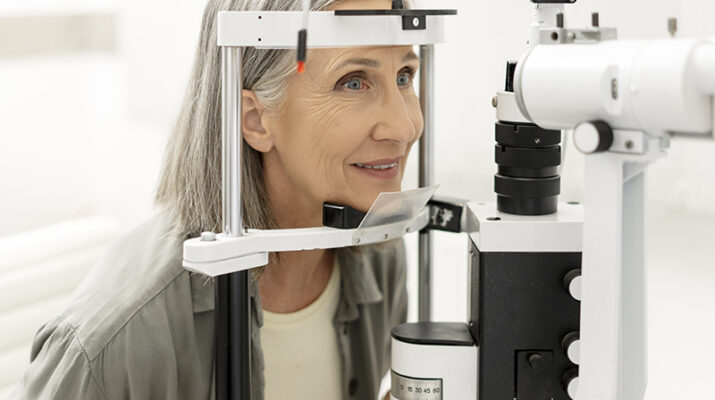
Many people don’t notice any signs or symptoms in the early stages of eye diseases. A dilated eye exam performed by an eye care professional is the only way to find some common eye diseases while they’re easier to treat — and before they cause vision loss.
After age 60, you should get a dilated eye exam every year or two. Most people with diabetes or high blood pressure need to get a dilated exam at least once a year. During this exam, the eye care professional will put drops in your eyes to widen (dilate) your pupils so that he or she can better see inside each eye. Your vision may be blurry after the exam and your eyes may be more sensitive to light. This only lasts a few hours. Make plans for someone else to drive you home.
Cataracts are very common as you get older. A cataract is a cloudy area in the lens of your eye. In fact, more than half of all Americans aged 80 or older either have cataracts or have had surgery to get rid of cataracts, says NIH.gov. At first, you may not notice that you have a cataract. But over time, cataracts can make your vision blurry, hazy or less colorful. You may have trouble reading or doing other everyday activities. Over time, cataracts can lead to vision loss. The good news is that surgery can get rid of cataracts. Cataract surgery is safe and corrects vision problems caused by cataracts.
“Macular degeneration is on the rise,” said Pascucci. “People are living longer.”
While the exact cause of macular degeneration is unknown, aging contributes to its development. It occurs when part of the retina becomes damaged, causing vision to become blurry or less focused and can lead to loss of vision.
“The main thing to slow down the progression of cataracts and macular degeneration is to use UV protection. Wear good sunglasses or good sunglasses over your regular glasses,” Pascucci added. UV protection refers to the ability of a material to block harmful ultraviolet radiation from the sun, which can damage skin and eyes.
“To prevent macular degeneration of aging, eat a good diet,” Pascucci said. “Like leafy green vegetables, spinach and kale. Use a supplement like PreserVision or AREDS. Several studies show it slows down the progression of macular degeneration. Also, have routine physicals from your primary health care provider. Your primary health care provider will regularly to check for diseases like diabetes and high blood pressure. These diseases can cause eye problems if not controlled or treated.
“When our working outdoors, doing things like chopping wood or grinding metal, be sure to wear safety glasses. If you wear glasses, put safety goggles over your regular glasses.”
If you’re still smoking, quit. Smokers are two to three times more likely to develop cataracts and up to four times more likely to develop macular degeneration than non smokers says data from the FDA.